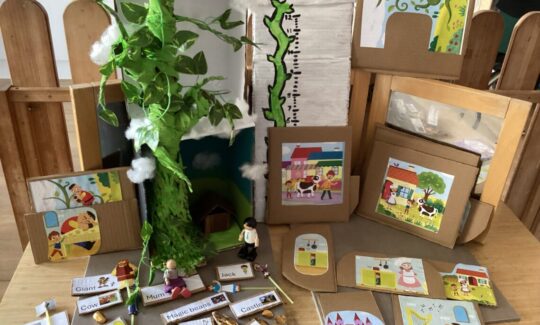
Your Child’s First Day At Childcare


1. How are you feeling?
It is common for parents to feel a mix of emotions ahead of their child’s first day at childcare. Parents should check in with how they are feeling ahead of this milestone and speak with other parents. Be mindful of how you talk about your feelings when your child is nearby. Your child will observe your own feelings and emotions. It is helpful for your child to hear you speaking confidently and being calm.
2. Learn through reading
Books and illustrations are a wonderful way for children to learn about and understand new experiences, especially those that may feel overwhelming. Try ‘The Invisible String’, this story teaches children how they can be connected with loved ones even when they are apart or ‘Llama Llama Misses Mama’ about a llama’s experience starting preschool.
3. Get packing
Children feel in control when they are involved in a situation. Take your child to buy their backpack, hat and water bottle. Let them pack their backpack the night before and choose what spare pair of clothes they would like to take on their first day.
4. Know your childcare
Spend time visiting your child’s childcare. This will give you and your child time to build familiarity and a relationship with their educators and adjust to the physical environment.
Talk with your child’s educators about your child’s home routine across a typical day. Include their preferences and favourite activities, sleep schedule and any specific needs that they might have.
5. Repetition and predictability are key
In times of change, most children need a predictable routine to feel safe and at ease. It is important that you think through how you are going to drop off and pick up your child with as much consistency as your schedule allows. If your schedule varies a lot over the week, and other family members or friends are helping with drop offs and pickups, a schedule on the fridge may help children to feel reassured. Adding a photo, of who will be responsible for your child during these times, can help.
6. Quick goodbyes are best
It is natural for a child to feel upset when they are separated from you, but a drawn-out goodbye will only prolong their distress. We recommend a brief goodbye to allow educators to quickly engage with your child in an activity to calm them – you can always call the childcare later to understand how your child settled after you left.
For more interesting reading, click through to our stories on:
Separation Anxiety in Children and Parents
Importance of Safe Play Practices
“We Need To Be Honest About What Childcare Really Is”
Learn more about why Only About Children is More Than Childcare.
Only About Children can help your child to grow, make friends and explore the world.
Only About Children can help your child to grow, make friends and explore the world.
Related Reads

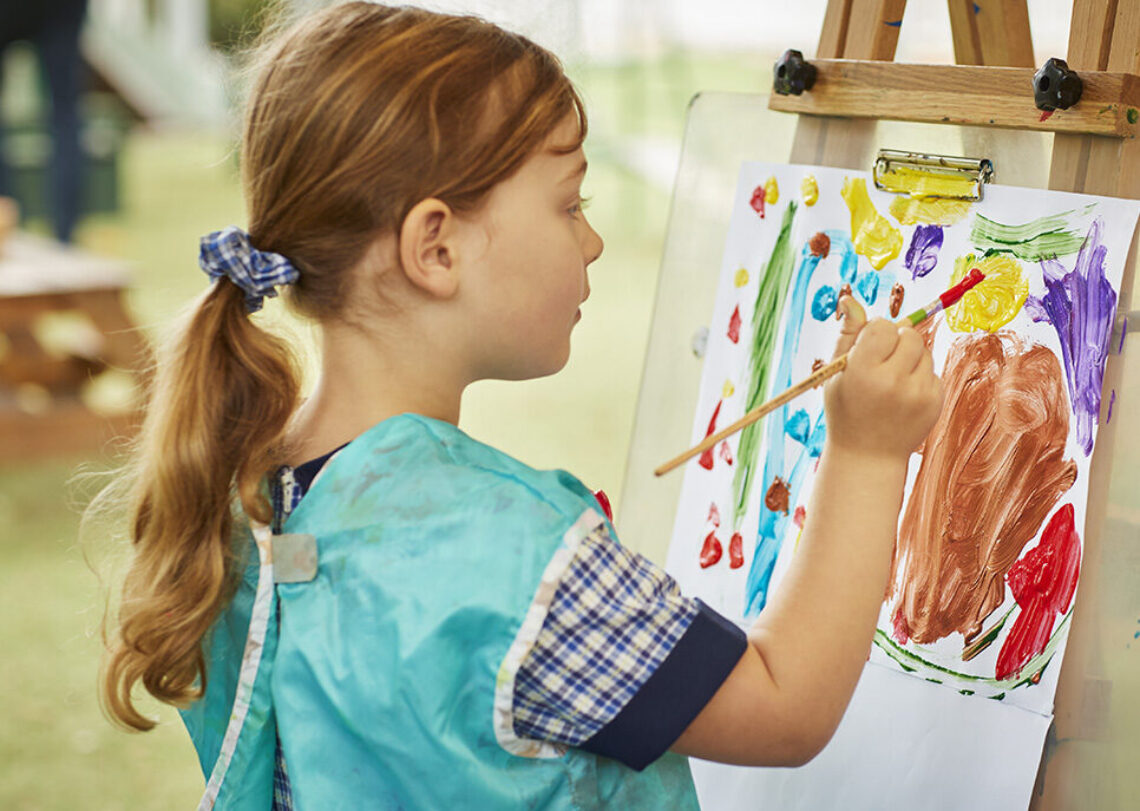
More Than Words: Understanding Children's Voices
Jasmine Crane, Education Leader at Only About Children, shares how art, play and creative expression provide powerful insights into children's thoughts, feelings and experiences.
Science Week Sparks Discovery at OAC Mernda
Children at OAC Mernda celebrated Science Week with erupting volcanoes, lava lamps, seed planting and space exploration, sparking curiosity and discovery.