Baby Sleep Patterns By Age
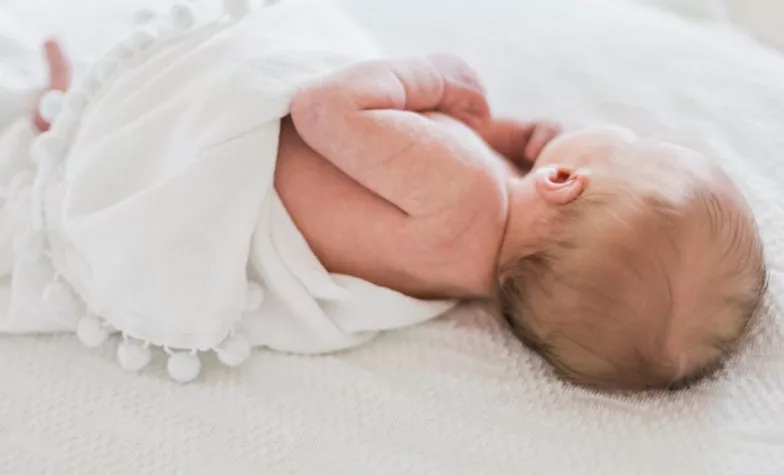
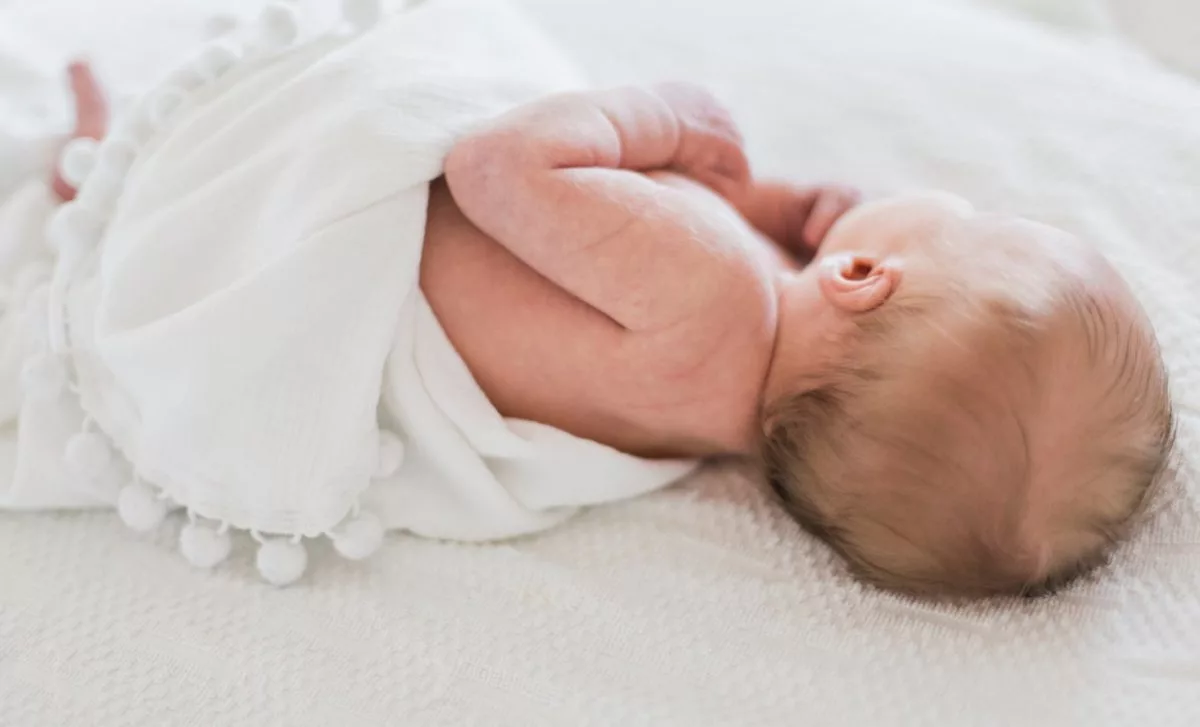
Optimising Baby Sleep: A Comprehensive Guide by Only About Children
At Only About Children, we understand the vital role sleep plays in a child’s overall well-being, growth, and development. To ensure your child gets effective sleep time, we’ve partnered with Safe Sleep Space, a leading consultancy group specialising in gentle and effective sleep and settling solutions. Safe Sleep Space collaborates with our team at Only About Children to develop our Sleep Policy and provides valuable educator training on safe sleep practices, sleep patterns, and sleep requirements.
How much sleep does my baby need?
The National Sleep Foundation has improved recommendations for how much sleep is required for babies.
Newborns up to 3 months of age: 14–17 hours of sleep per day.
3 to 11 months of age: 12–15 hours of sleep per day.
Many parents focus on these figures, but it’s important to note that these are recommendations. Every baby is unique, and if your baby is healthy and content, they are likely getting enough sleep. Counting every hour isn’t always necessary.
Understanding baby sleep patterns
It’s natural for a baby in the first few months of life to have variable sleep patterns, including multiple sleeps of 2-3 hours during the day and night. Predictable sleeping patterns may not emerge until around 4–5 months. Parents often seek ways to encourage their baby to sleep through the night. We recommend not rushing this process until the age of 5–6 months. At this point, babies may only need to feed once or twice overnight, as revealed by a 2013 Sleep Study that found babies naturally develop sleeping patterns around this age.
What stage do babies sleep the most?
Babies tend to sleep the most during their first few months, with a gradual reduction in sleep needs as they grow.
What age do babies start sleeping more through the night?
Babies often start sleeping more through the night around 5–6 months when natural sleeping patterns develop.
What are the 4 sleep cycles of a baby?
The four sleep cycles of a baby include REM (rapid eye movement), non-REM (non-rapid eye movement), drowsiness, and deep sleep.
What is a normal sleep pattern for a baby?
A normal sleep pattern for a baby involves variable sleep durations in the first few months, with more predictable patterns emerging around 4–5 months.
For additional resources and support in establishing healthy sleep patterns for your child, Safe Sleep Space offers valuable information on their Facebook page and website. Our dedicated educators are also here to assist you on this journey.
Remember, each baby is unique, and the key is to ensure they are healthy and happy. If you have specific concerns or questions, don’t hesitate to reach out to our team or consult Safe Sleep Space for expert guidance.
For further reading on sleep patterns or babies see: Establishing Positive Sleeping Habits & Sparking The Imagination For Babies
Find your nearest Only About Children childcare centre across Sydney, Melbourne and Brisbane.
Only About Children can help your child to grow, make friends and explore the world.
Only About Children can help your child to grow, make friends and explore the world.
Related Reads
More Than Words: Understanding Children's Voices
Jasmine Crane, Education Leader at Only About Children, shares how art, play and creative expression provide powerful insights into children's thoughts, feelings and experiences.
Science Week Sparks Discovery at OAC Mernda
Children at OAC Mernda celebrated Science Week with erupting volcanoes, lava lamps, seed planting and space exploration, sparking curiosity and discovery.