Why Play Matters: Building Brains Through Experience
How play and hands-on learning shape your child’s development
At Only About Children, you’ll often see children building, exploring, pretending, climbing, creating and asking endless questions.
It might look like “just play”, but in the early years, play is how children learn best.
Play and hands-on experiences are not separate from learning, they are learning. And research shows they play a critical role in how your child’s brain develops.
The early years: A time of rapid brain development
In the first few years of life, your child’s brain is growing faster than at any other time.
What shapes this development most? Experiences and Relationships
Every interaction, whether it’s stacking blocks, mixing mud, or playing with friends, helps build the connections in your child’s brain that support:
- Thinking and problem-solving
- Language development
- Emotional regulation
- Social skills
Research shows that early experiences, especially those shared with caring adults, literally build the brain’s architecture and shape how children understand the world.
What’s happening inside your child’s brain?
Inside your child’s brain, billions of tiny cells called neurons are constantly working to build connections.
When your child plays, explores, talks or tries something new their brain forms connections between these neurons called synapses. You can think of this like building a network of pathways.
Building connections through experience
Each new experience creates new connections between neurons, helping your child:
- Make sense of the world
- Remember what they’ve learned
- Build skills step by step
Practice makes pathways stronger
The more an experience is repeated, the stronger those brain connections become.
For example:
- Talking builds language pathways
- Climbing builds movement and coordination pathways
- Playing with others builds social and emotional pathways
Over time, these connections become faster and more efficient, like a small path turning into a well-used road.
Shaping the brain through use
As your child grows, their brain also becomes more efficient by keeping the connections that are used often and letting go of those that are not.
This is why early experiences matter so much, they help shape the pathways the brain strengthens and keeps.
Why relationships make a difference
These brain connections don’t form in isolation, they are built through relationships and interactions.
When children experience:
- Warm, responsive care
- Shared play with educators and peers
- A sense of safety and belonging
Their brains are better able to:
- Manage stress
- Regulate emotions
- Focus on learning
Consistent, responsive interactions support the development of emotional regulation and stress systems in the brain.
Play is powerful learning
Play is not random, it is purposeful, meaningful and deeply connected to how children learn.
When children play, they are:
- Testing ideas
- Exploring cause and effect
- Solving problems
- Developing creativity and imagination
For example:
- Building a tower → learning about balance, maths concepts and persistence
- Pretend play → developing language, social skills and emotional understanding
- Outdoor exploration → learning about risk and the natural world
Play provides active, hands-on experiences that strengthen brain connections far more effectively than passive learning.
The powerful connection between play and brain development
When children learn through play and experience:
- Their brains create new neural connections
- Repeated experiences strengthen those connections
- Relationships support emotional and cognitive development
These connections form the foundation for:
- Memory and attention
- Problem-solving and decision-making
- Emotional regulation and resilience
What this looks like in your child’s day
You might see:
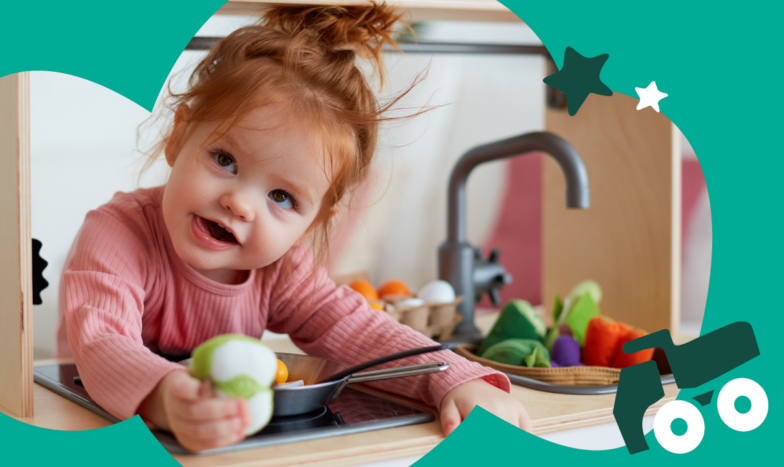
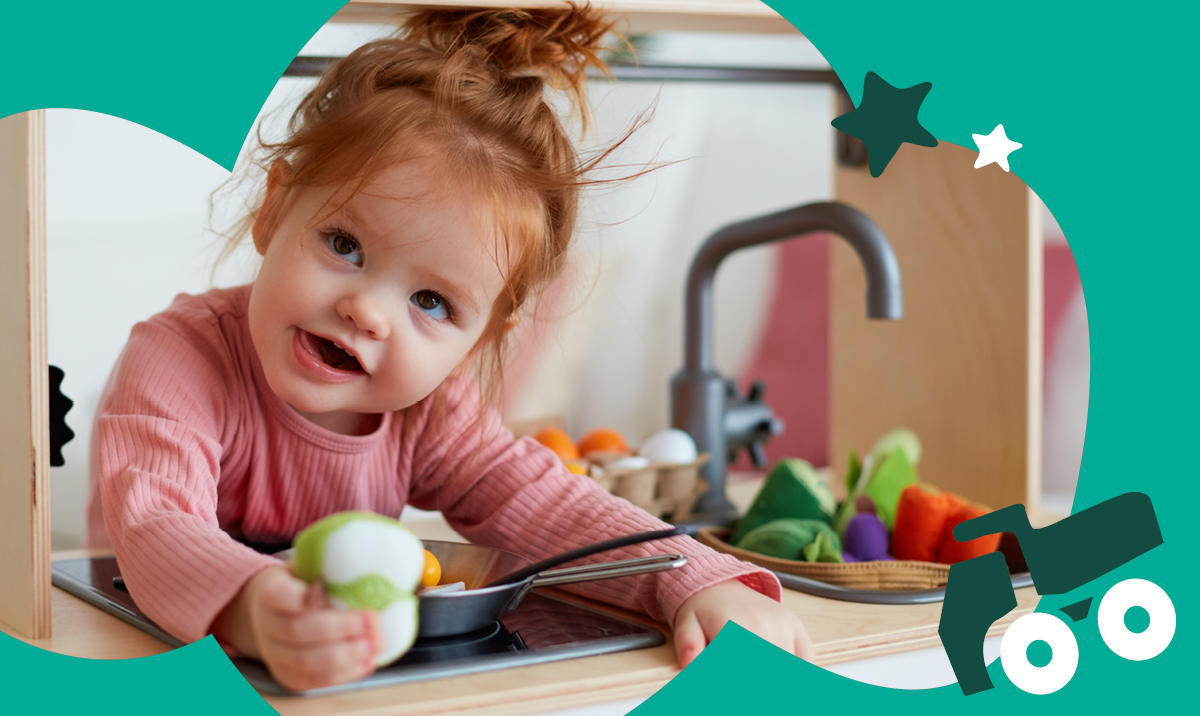
- Water play → exploring science concepts like movement and change
- Role play → practicing communication and understanding emotions
- Climbing and running → building coordination and confidence
- Storytelling → developing language and imagination
Even simple moments, like negotiating turns or trying again after something falls, are building lifelong skills.
Why this matters for the future
Play-based, experiential learning helps children develop the skills that matter most for school and life:
- Curiosity and love of learning
- Problem-solving and critical thinking
- Resilience and persistence
- Creativity and innovation
- Social and emotional confidence
These are the skills that underpin future academic success and wellbeing.
Working together with families
Learning doesn’t stop at the campus, it continues at home.
You can support your child’s development by:
- Allowing time for unstructured play
- Following their interests (and sharing these with their educators)
- Asking open-ended questions (“What do you think will happen?”)
- Joining in play and being present
In simple terms…
Every time your child plays, they are building their brain.
Play and real-world experiences create the connections that support learning, relationships and wellbeing, for life.
Want to learn more?
Speak with your educators to see how play-based learning supports your child’s development each day.
Learn more about OAC’s unique Grow Curriculum here.
Only About Children can help your child to grow, make friends and explore the world.
Only About Children can help your child to grow, make friends and explore the world.
Related Reads
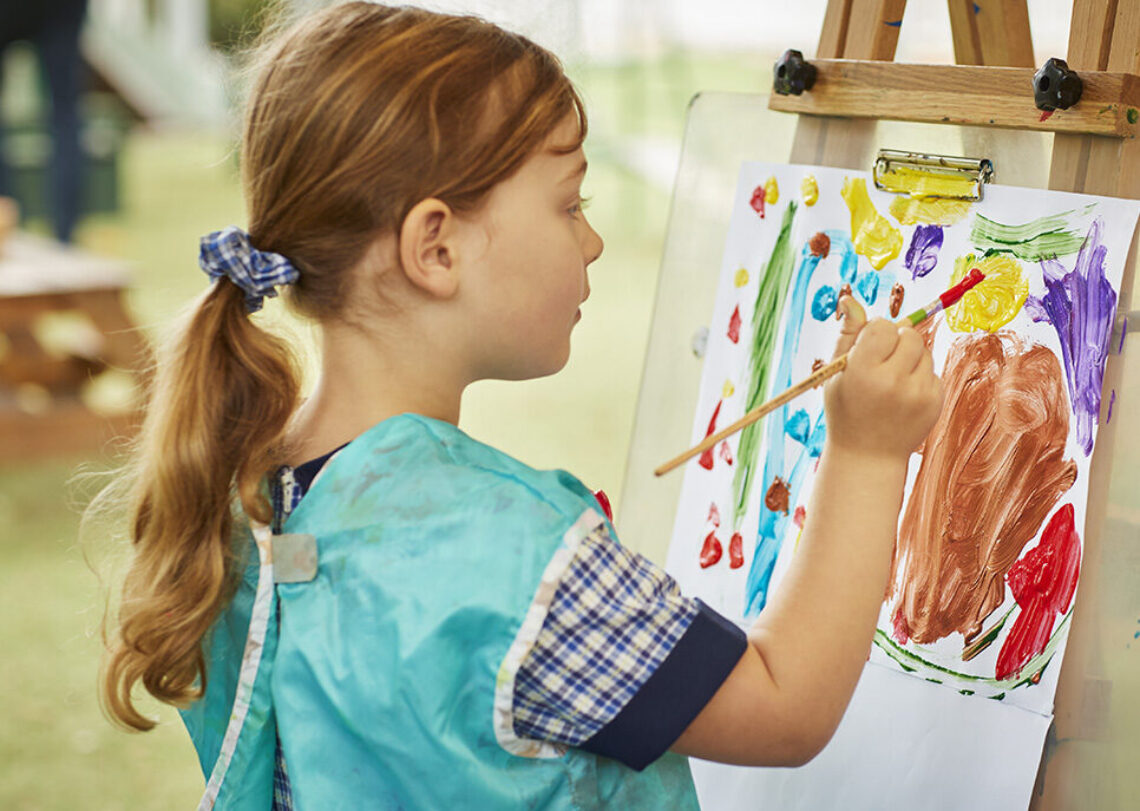
More Than Words: Understanding Children's Voices
Jasmine Crane, Education Leader at Only About Children, shares how art, play and creative expression provide powerful insights into children's thoughts, feelings and experiences.
Science Week Sparks Discovery at OAC Mernda
Children at OAC Mernda celebrated Science Week with erupting volcanoes, lava lamps, seed planting and space exploration, sparking curiosity and discovery.