Sparking The Imagination For Babies
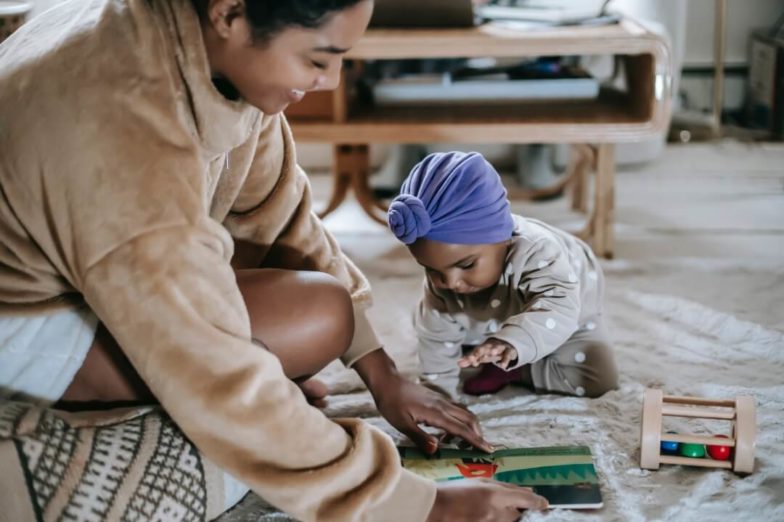
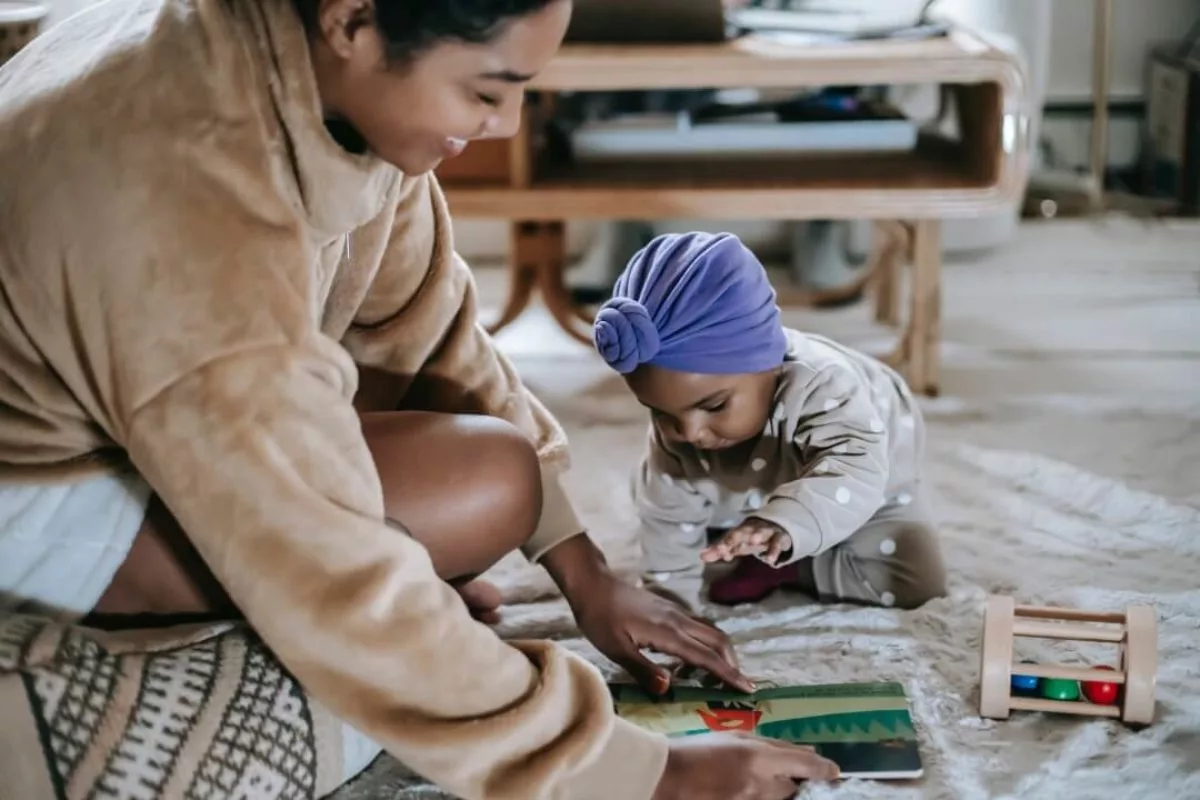
The first two years of a child’s life are the foundations of their imagination and creativity. In order to make sense of the world around them, imaginative play for babies is full of so many benefits.
What is imaginative play?
Imaginative or pretend play is voluntary and often has no extrinsic goals. It is fun and often spontaneous. Put simply, it’s role play acting out various tasks and plots.
As babies explore through play, their imaginations develop. And as their imaginations develop, they can experiment with new sounds, sights, objects and activities. They also learn to solve simple problems, and they start being able to understand their own and other people’s feelings.
What age do babies get imagination?
Between birth and 12 months, babies will start to develop their imagination by imitating sounds, exploring facial expressions in the mirror and playing peekaboo. They become more and more interested in the world and play becomes the main way that babies develop, learn and explore the world.
Benefits of imaginative play
Imaginative play is significant to every aspect of your child’s normal development. Research has shown that the richer a child’s imaginative play is, the richer his thinking is. Research has also shown that there is a connection between imaginative play in childhood and originality, spontaneity, rich vocabulary and greater flexibility in coping with new situations in adulthood.
Ideas for imaginative play
Here are some simple play ideas and creative activities to help grow your baby’s imagination:
- Play peekaboo with objects like scarves or tea towels.
- Sit your baby in front of a mirror. Young babies can look at the mirror while lying on their sides or tummies.
- Put toys, open books or different objects in front of your baby.
- Look at photos of different people and places. Talk to your baby about what he sees.
- Read book and share stories or sing nursery rhymes using actions together.
- Make a treasure box for your baby, full of everyday items and natural objects for your baby to touch and feel.
- Look outdoors for new and interesting natural objects. Let your baby explore them with her senses. She could feel the roughness of a seashell or taste a basil leaf.
Learn more about our holistic approach to learning with babies ages 6 weeks – 2 years at Only About Children.
Only About Children can help your child to grow, make friends and explore the world.
Only About Children can help your child to grow, make friends and explore the world.
Related Reads
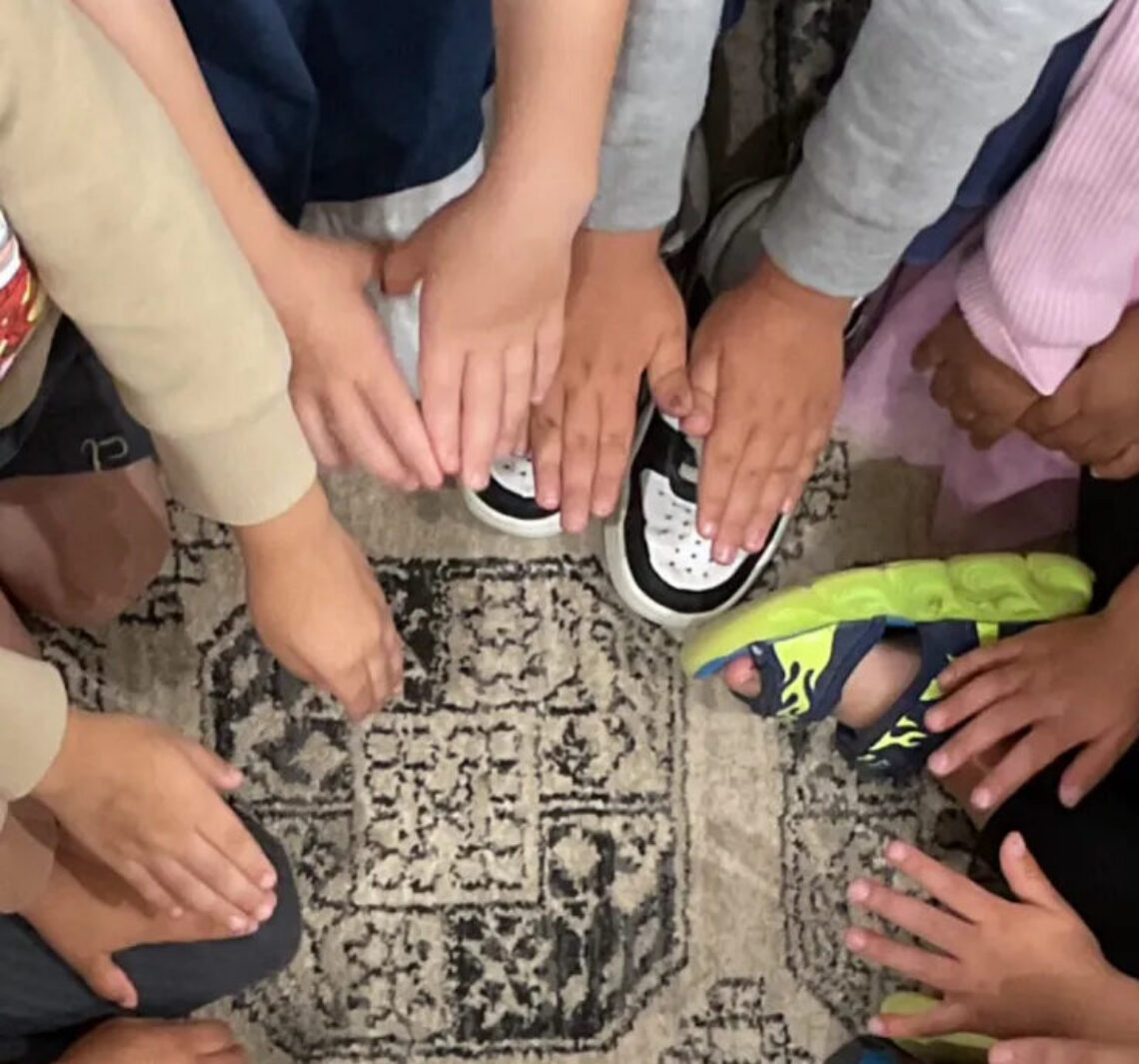
Celebrating Harmony Week at OAC Mernda
Children at OAC Mernda celebrated Harmony Week by exploring diversity, inclusion and belonging through storytelling, conversations and creative activities.
A Spectacular Lunar New Year Celebration at OAC Rhodes
OAC Rhodes welcomed Lunar New Year with a vibrant community celebration featuring a lion dance, dumpling making, lantern crafts and a wishing tree. It was a joyful day of culture, creativity and connection for children and families.