Top Tips to Encourage Independence in Toddlers
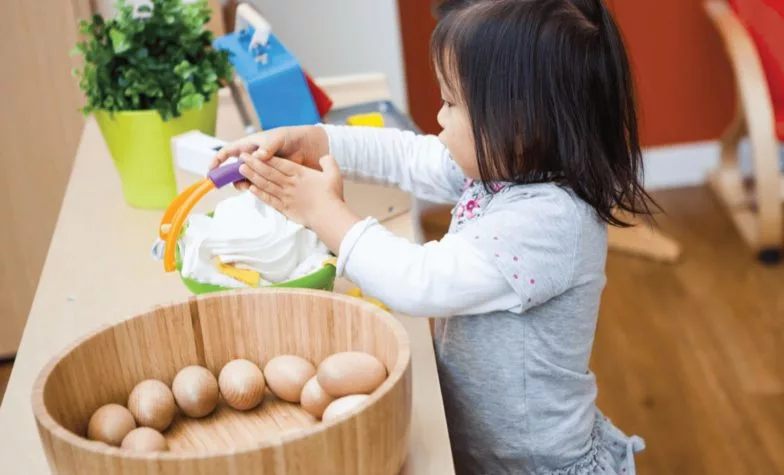
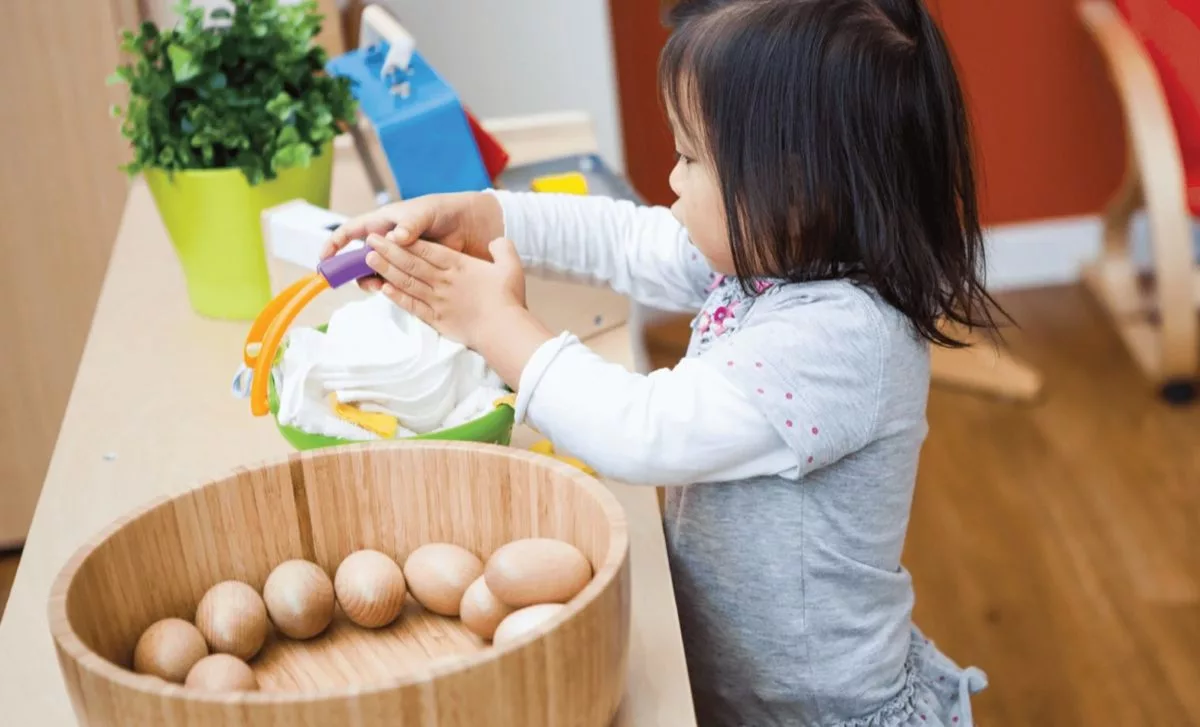
At Only About Children, we believe that promoting the development of independence in children enables them to become active participants in their own learning as well as active and confident members in their community.
Here are our top 8 age-appropriate tips that you can try at home with your toddler as you encourage independence.
Ways to encourage independence in children:
1. Allow choice
Let your child follow their own ideas and make their own choices throughout the day. This could be as simple as allowing them to choose what book they’d like to read at bedtime or what colour cup they’d like to drink from.
2. Encourage reasonable risks
Step back and let your child take reasonable risks. During outdoor play your child may get wet, dirty or be sore if they scrape their knee while bike riding, but they will be full of pride in learning new skills and testing themselves.
3. Step back
Give your child the space and opportunity to fix their own problems and resolve conflicts without your assistance.
4. Self-feeding
Encourage your child to feed themselves from an early age. Give toddlers finger food that they can pick up with their hands.Teach your toddler to use a fork and spoon. Preschoolers and Kinders might plate up their own main meal or pour their own drinks – even if it may be a little messy!
5. Involvement in household tasks
Identify small tasks around the house that your child can do independently, such as setting the table at meal times, putting their dirty clothes in the laundry basket or working alongside you in the garden.
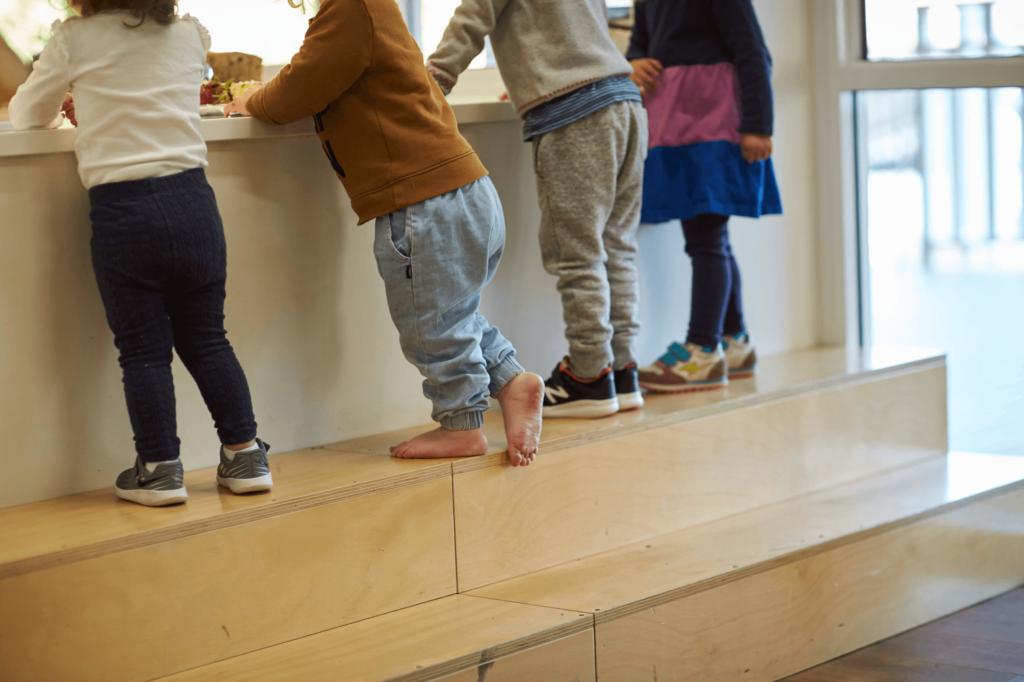
6. Practical set up at home
Arrange your home to encourage independence – have a stool near the basin so your child can wash their own hands, give your child a small towel to dry themselves after bath time, keep tissues around the house so they can blow their own nose.
7. Dress for success
Make simple clothing choices so that it is easy for your child to dress and undress without your help. Think pants with an elasticised waistband and Velcro shoes.
8. Look for signs of readiness
Children who are asking questions or trying to involve themselves in household tasks may be ready for more independence.
Remember to be patient with your child as they challenge themselves with new tasks and more responsibility. Sure, a task may take longer to do with the involvement of a little helper, but practice makes perfect and repetition is key to your child improving their independence!
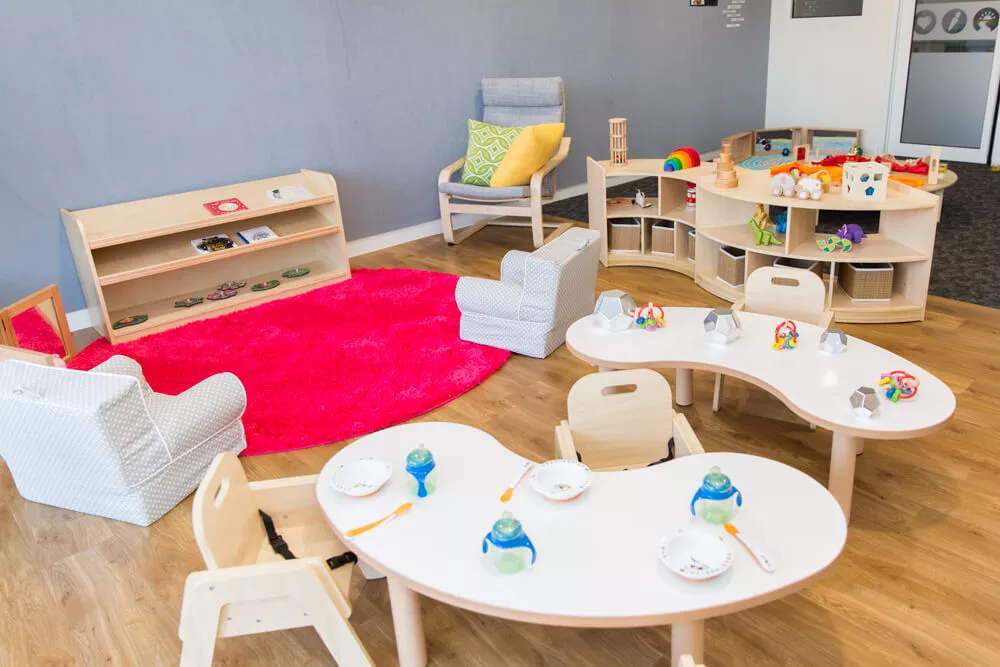
For another popular article, read about: The Importance of Gut Health in Children
Only About Children can help your child to grow, make friends and explore the world.
Only About Children can help your child to grow, make friends and explore the world.
Related Reads
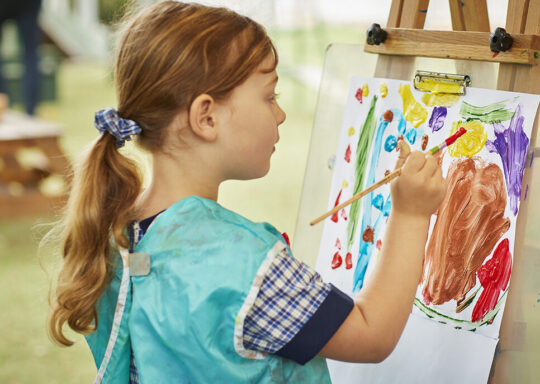
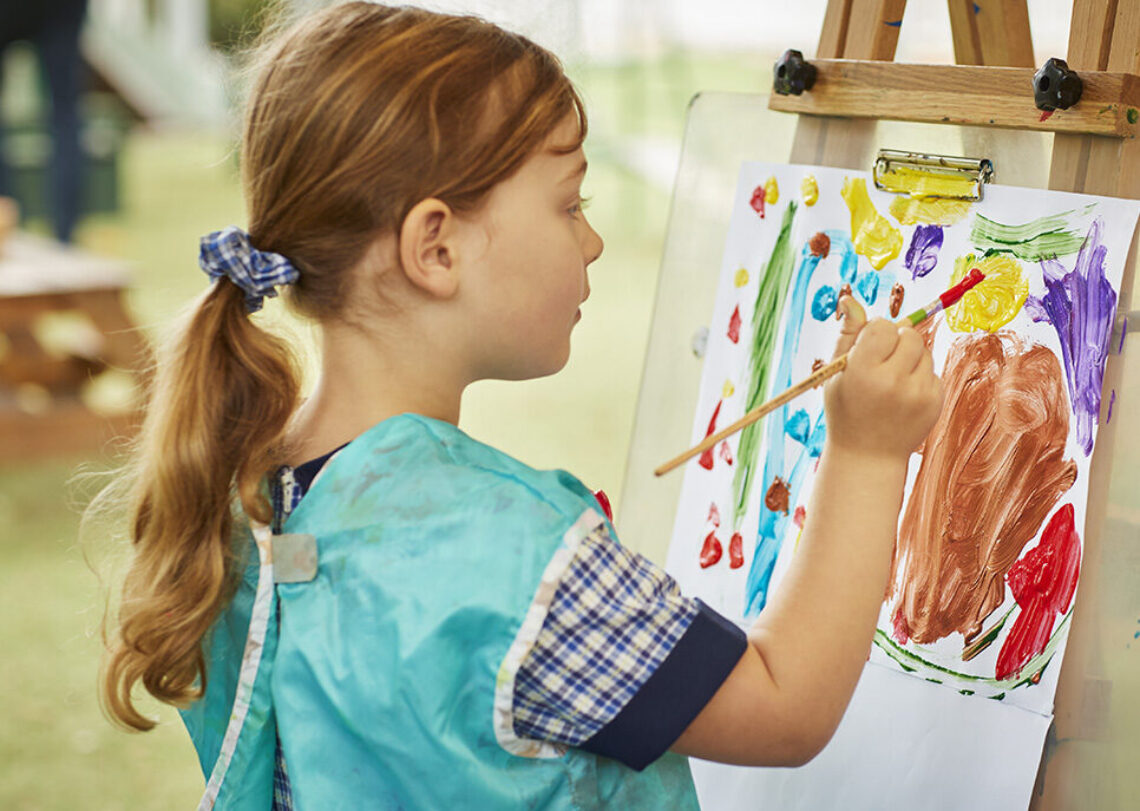
More Than Words: Understanding Children's Voices
Jasmine Crane, Education Leader at Only About Children, shares how art, play and creative expression provide powerful insights into children's thoughts, feelings and experiences.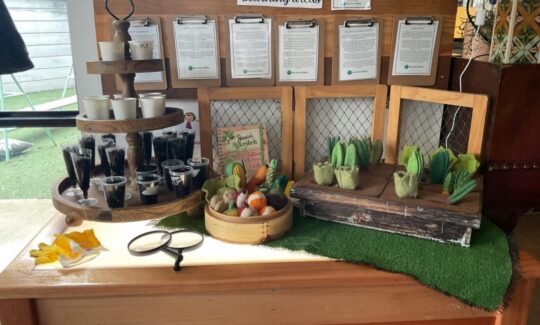
Science Week Sparks Discovery at OAC Mernda
Children at OAC Mernda celebrated Science Week with erupting volcanoes, lava lamps, seed planting and space exploration, sparking curiosity and discovery.