The Child We See: Why Children’s Rights Begin with Our Image of the Child
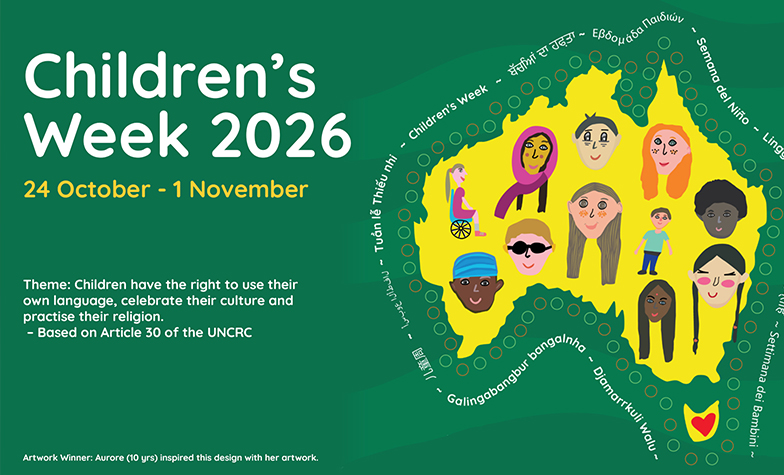
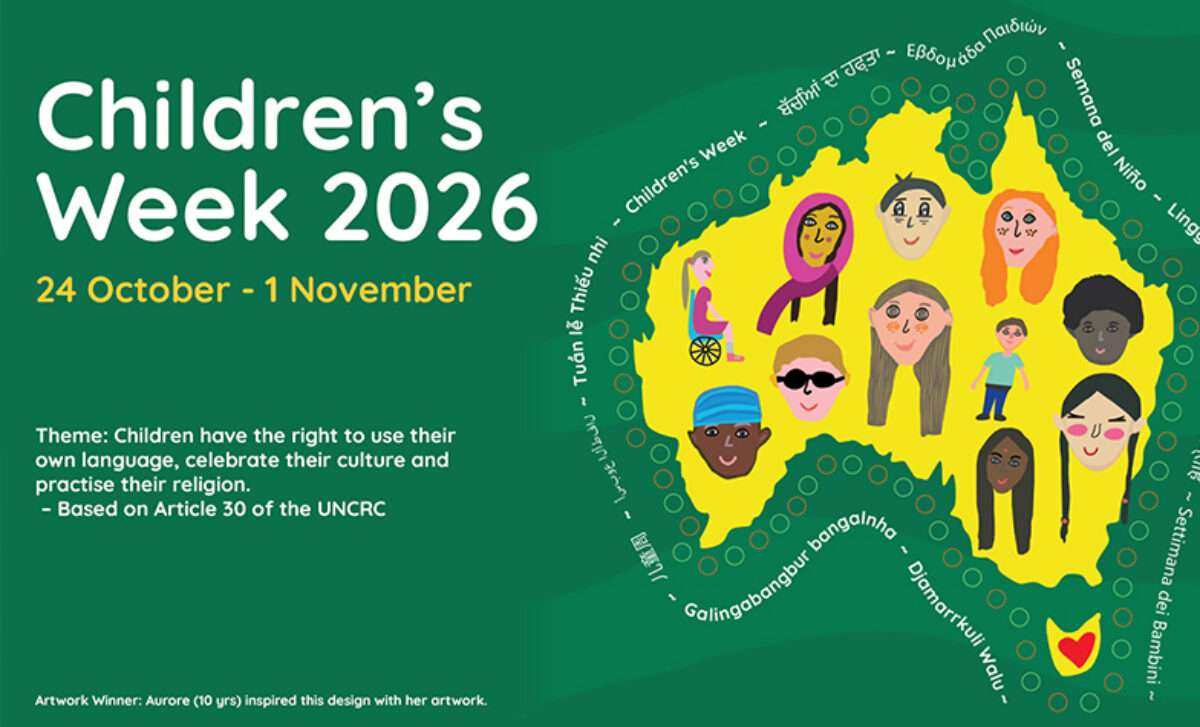
During Children’s Week, many early learning services will celebrate the diverse languages, cultures and identities that children bring to their communities.
But beyond the activities, displays and celebrations sits a more important question.
What image of the child guides our practice?
The 2026 Children’s Week theme, centred on children’s rights to use their own language, celebrate their culture and practise their religion, invites us to reflect on more than inclusion. It asks us to consider how children experience belonging, voice and participation every day.
The way we see children shapes everything.
It influences the environments we create, the expectations we hold, the opportunities we provide and the relationships we build. Whether consciously or unconsciously, our assumptions about children become visible in our daily practice.
Do we see children as future citizens preparing for adulthood? Or do we see them as citizens of today, capable of contributing ideas, perspectives and knowledge right now?
This distinction matters
When we view children as capable, competent and curious, our role changes. We become less focused on directing every aspect of learning and more attentive to listening, observing, responding and intentionally extending children’s thinking, interests and inquiries. We create space for children’s voices to influence decisions, experiences and learning pathways.
When children are recognised as capable participants in their own learning, they are more likely to engage deeply, develop positive learner identities and build the confidence to contribute meaningfully to their communities.
Importantly, this extends beyond consultation
Children’s agency is not simply about offering choices. It is about recognising that children have a right to participate in the communities they belong to and that their perspectives have value.
Children’s rights are realised not only through what we provide for children, but through the relationships we build with them and the opportunities we create for them to influence their world.
For many children, identity is closely connected to family, culture, language, community and lived experience. These are not additional elements that sit alongside learning. They are central to a child’s sense of self.
When children’s home languages are heard and respected, when their cultural experiences are reflected authentically, and when their family stories are welcomed into learning environments, children receive a powerful message: you belong here exactly as you are.
This sense of belonging creates the foundation for something even deeper.
It creates a sense of mattering.
Mattering is the feeling that our presence makes a difference. For children, it is knowing that they are not simply included in a community, but that the community is richer because they are part of it.
Children experience mattering when their questions influence inquiry projects. When their ideas shape experiences. When educators genuinely listen and act on their perspectives. When they can see themselves, their families and their identities reflected in the life of their learning environment.
In these moments, rights become tangible
They move beyond policy documents and become lived experiences.
For educators, this reflection also extends to the stories we tell about children. Every learning story, observation, display and piece of documentation communicates something about what we value and what we believe children are capable of. These records contribute to children’s developing sense of identity and can either reinforce their agency or unintentionally narrow our understanding of who they are.
Perhaps this Children’s Week, the most important question is not what we want children to become.
Instead, we might ask:
What do our choices communicate to children about who we believe they already are?
Because when children feel seen, heard and valued, they are more likely to belong, to participate and to thrive as capable contributors to their communities.
Only About Children can help your child to grow, make friends and explore the world.
Only About Children can help your child to grow, make friends and explore the world.
Related Reads
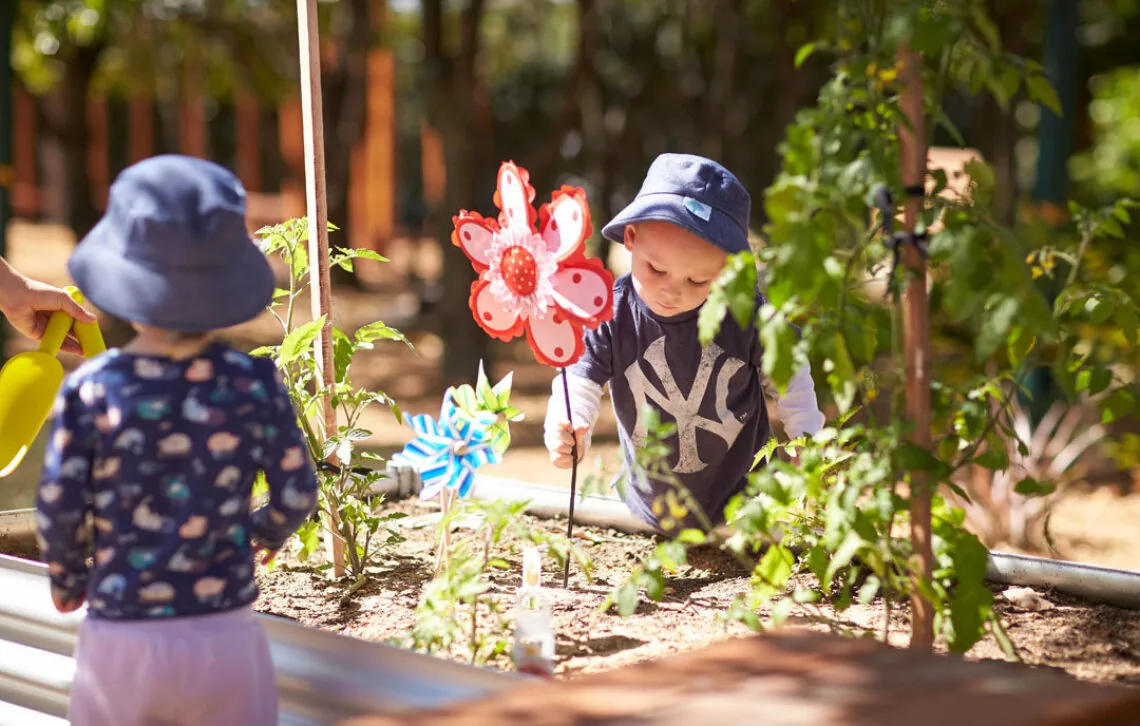
Choosing The Right Preschool/Kindergarten For Your Child
Choosing the right Preschool/Kindergarten for you child can be a daunting task. When exploring the ideal preschool choices for your child, there is no need to navigate blindly. Simply by asking the right questions, you can find the perfect match.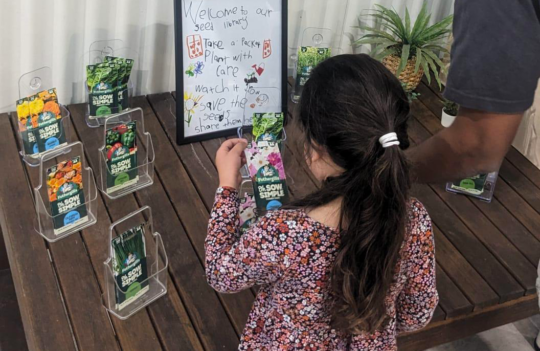
Growing Community Connections at OAC Asquith
OAC Asquith's community hub is bringing families together through shared resources, children's artwork and meaningful opportunities to connect, contribute and belong.