
Parenting Advice
Talking To Young Children After Traumatic Events: Guidance For Families
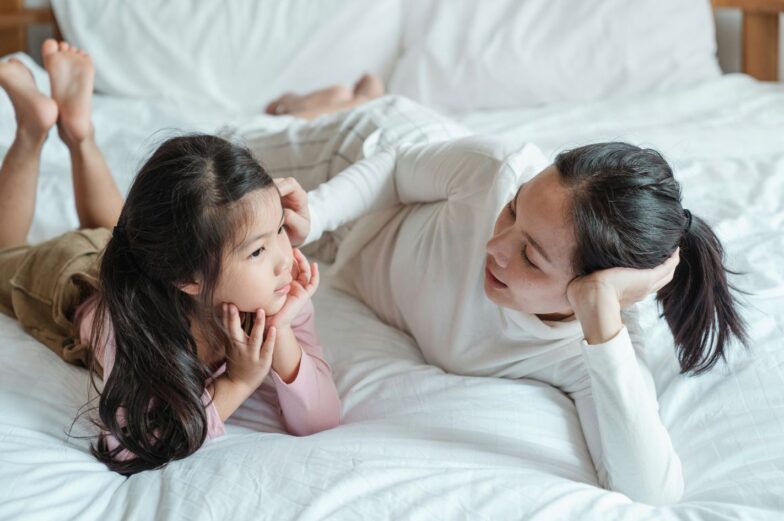
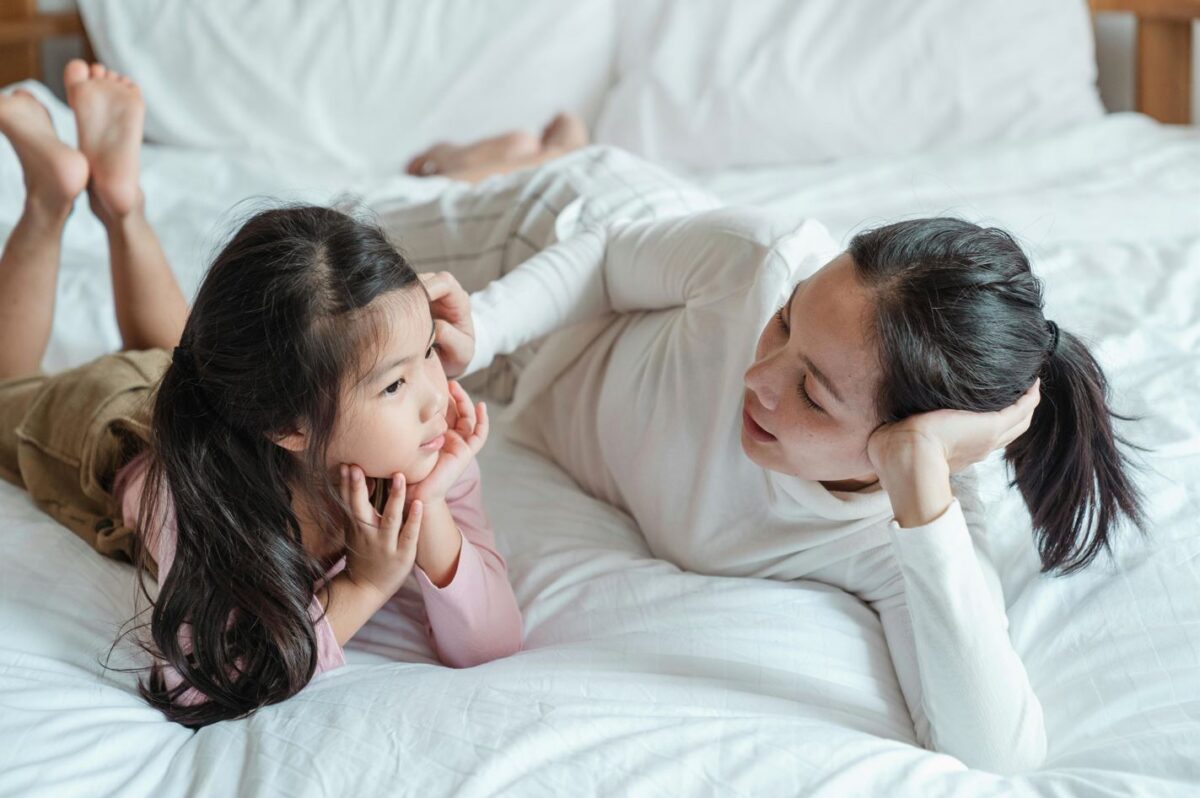
When distressing events happen, whether in our community or seen in the media, children can feel confused, anxious, or scared. As parents and caregivers, you play a vital role in helping children process these experiences and feel safe again.
How to Support Your Child
Create a Safe Space for Conversation
- Encourage your child to share what they’ve heard or seen.
- Let them know it’s okay to ask questions and talk about their feelings.
- Be patient, children may need to revisit the topic several times.
Share Simple, Honest Information
- Offer truthful, age-appropriate details without overwhelming them.
- Correct any misunderstandings or rumours they may have heard.
Express and Model Feelings
- Share your own feelings calmly. This helps children learn how to express and manage emotions.
- Reassure them that feeling sad, scared, or confused is normal.
Support Emotional Expression
- Encourage drawing, play, or storytelling as ways for children to express themselves.
- Make time for fun and creative activities.
Limit Media Exposure
- Shield young children from distressing news coverage.
- For older children, watch together and discuss what you see.
Maintain Routines and Reassure Safety
- Keeping up with daily routines helps children feel secure.
- Remind them of the helpers in the community and the steps taken to keep everyone safe.
Watch for Stress Reactions
- Look out for changes in sleep, appetite, mood, or behaviour.
- Offer extra comfort and attention if needed.
Foster Hope and Positive Action
- Highlight acts of kindness and community support.
- Encourage children to help others, even in small ways.
Take Care of Yourself
- Children notice how adults cope. Model healthy ways to manage stress.
- Reach out for support if you or your child need extra help.
Helpful Resources
- Lifeline is a 24-hour telephone counselling service – phone 13 11 14
- Raisingchildren.net.au: Traumatic events: First response to help children and teenagers
- Phoenix Australia: Helping my children after trauma – A guide for parents
- Australian Psychological Society: Tragic events and community disasters
- Victorian State Department of Health – Anxiety
If you have concerns about your child’s wellbeing or need further support, please reach out to our team or a trusted health professional.
Only About Children can help your child to grow, make friends and explore the world.
Only About Children can help your child to grow, make friends and explore the world.
Related Reads
Celebrating Harmony Week at OAC Mernda
Local Campus News & Views
01 April 2026
2 minutes
Celebrating Harmony Week at OAC Mernda
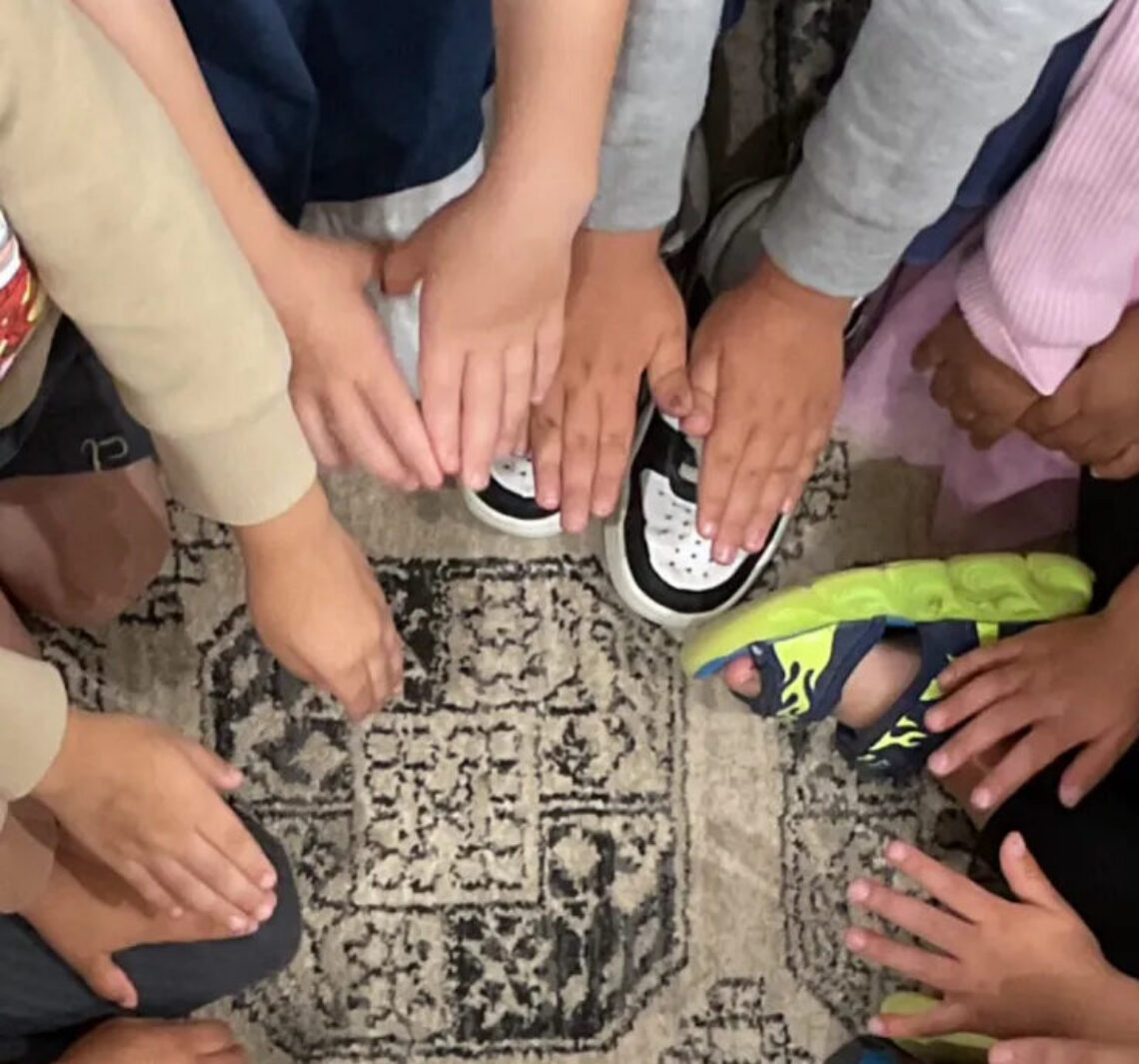
Children at OAC Mernda celebrated Harmony Week by exploring diversity, inclusion and belonging through storytelling, conversations and creative activities.
A Spectacular Lunar New Year Celebration at OAC Rhodes

Local Campus News & Views
04 March 2026
2 minutes
A Spectacular Lunar New Year Celebration at OAC Rhodes
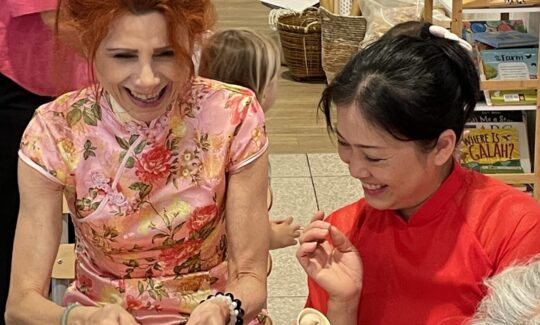
OAC Rhodes welcomed Lunar New Year with a vibrant community celebration featuring a lion dance, dumpling making, lantern crafts and a wishing tree. It was a joyful day of culture, creativity and connection for children and families.
Celebrating Community and Culture at OAC Elsternwick
Local Campus News & Views
02 March 2026
2 minutes