
Importance of Safe Play Practises
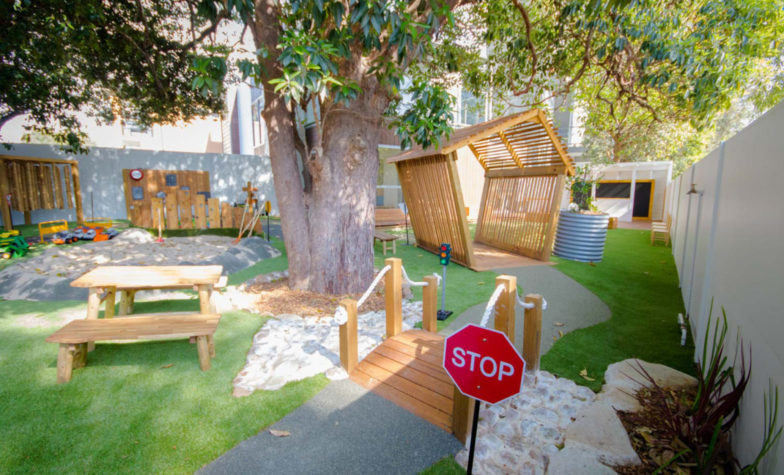
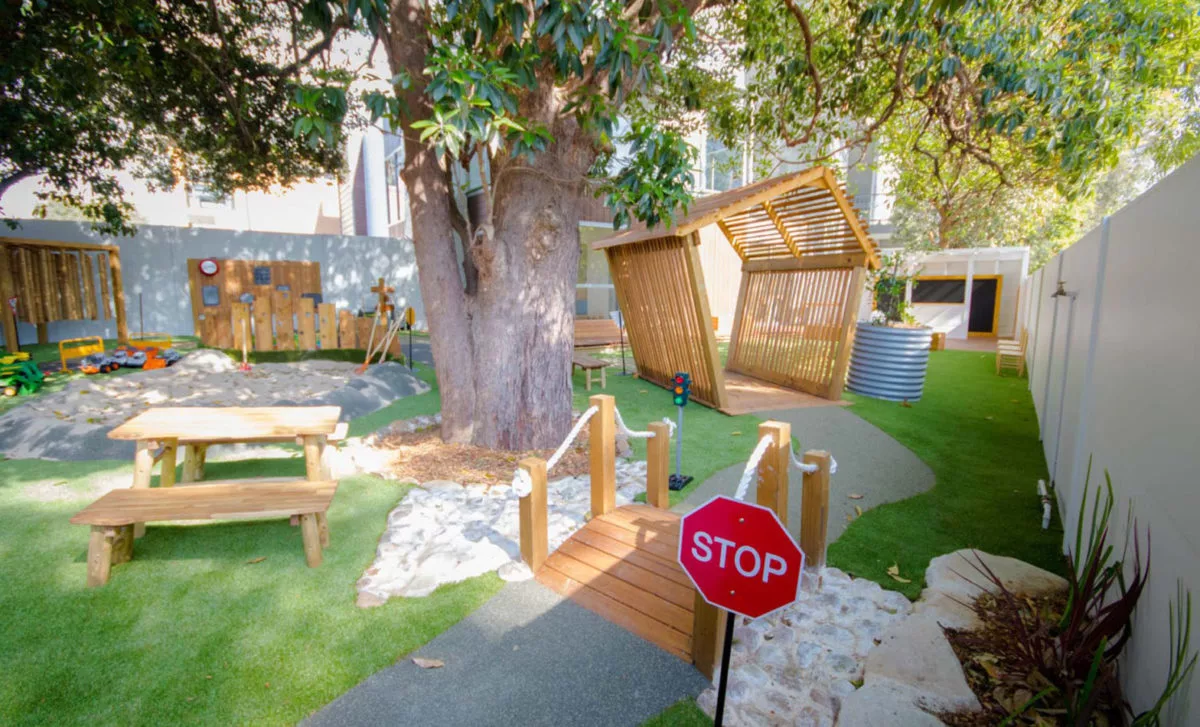
At Only About Children our playscapes have been designed to develop and test skills in a safe and creative environment. We know that when we create play opportunities for children, they are able to:
- Develop skills and assess risks by navigating their environment
- Learn how to use equipment safely and for its designed purpose
- Develop coordination, gross motor and orientation skills
- Take acceptable risks
- Learn about the consequences of risk taking
Risk: Challenge vs Hazard
Often the word ‘risk’ has a negative connotation, however risk doesn’t always need to have a negative outcome. There are many positives for children when they are taking risks in play. It is important to remember that children need to have challenges which are obvious and allow them to use their perception on whether a risk will lead to a positive or negative outcome. A hazard for a child is something unforeseen that may result in an injury. The subtle differences between a challenge and a hazard can be especially clear in a play environment. This is why we employ a number of policies and procedures at Only About Children to keep our play areas safe.
Most outdoor play area injuries experienced by children can be prevented through careful planning, design and maintenance of our play areas and equipment. We combine this planning and design with small play groups and close supervision of children. As a result, we create an environment where playtime encourages children to safely challenge themselves.
Our campuses mitigate the risk of hazards and ensure safe play practises by:
- Safeguarding climbing equipment – set up on soft fall areas with sufficient falling space
- Monitoring the condition of play equipment and resources and replacing all faulty equipment immediately
- Ensuring that play areas and equipment is age appropriate for the developmental level of each child
- Having adequate supervision from staff
- Avoiding overcrowding by implementing small play groups
To learn more about the importance of play or our safe play practises, do not hesitate to speak with your Campus Director.
For more interesting reading, see our article on Play Based Learning
Only About Children can help your child to grow, make friends and explore the world.
Only About Children can help your child to grow, make friends and explore the world.
Related Reads

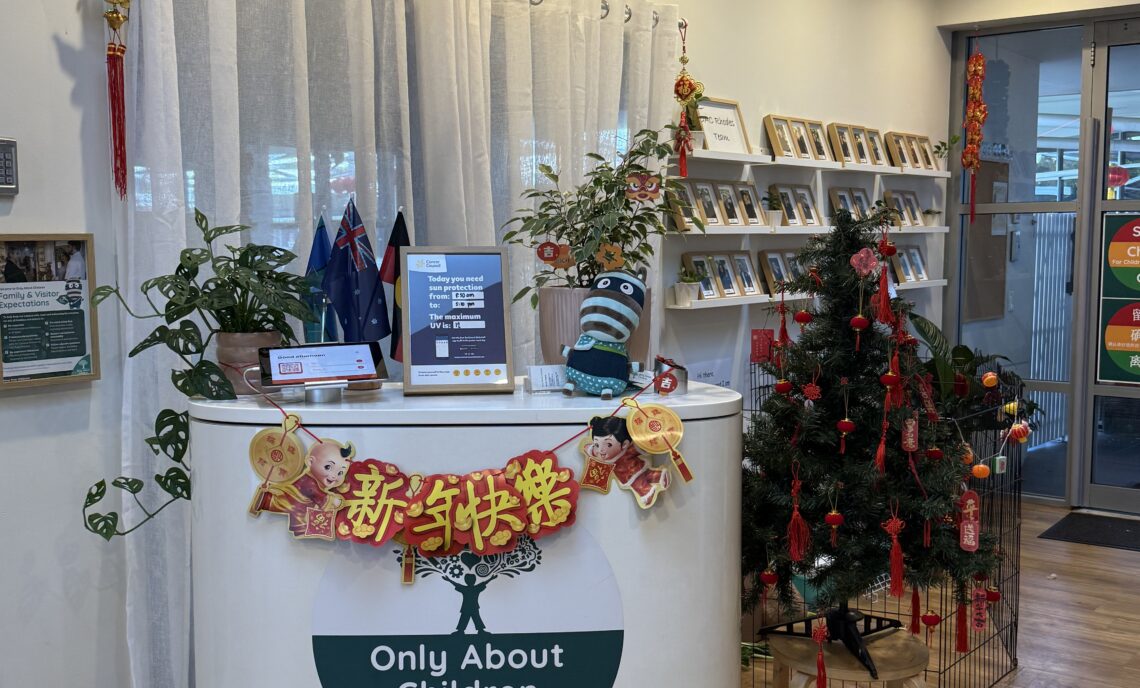
A Spectacular Lunar New Year Celebration at OAC Rhodes
OAC Rhodes welcomed Lunar New Year with a vibrant community celebration featuring a lion dance, dumpling making, lantern crafts and a wishing tree. It was a joyful day of culture, creativity and connection for children and families.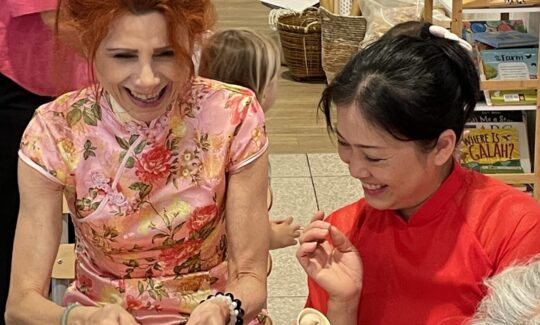
Celebrating Community and Culture at OAC Elsternwick
At OAC Elsternwick, children and families come together to celebrate cultural and community events. From decorating and making dumplings to sharing traditional foods, every celebration is a chance to learn, connect and have fun.