Ditching The Pram For The Scooter
While structured exercises are often at the forefront of physical activity discussions, the concept of incidental exercise is emerging as a powerful and accessible means to keep children active. Incidental exercise involves seamlessly integrating physical activity into daily routines, offering an effective way to meet the National Physical Activity Guidelines for toddlers and pre-schoolers. In this expanded guide, we explore the importance of physical activity for kids, address how to make kids more active, determine the recommended hours, and identify the types of exercises that can contribute to their overall development.
Why is Physical Activity Important for Kids?
Before delving into strategies for making kids more active, it’s crucial to understand why physical activity is paramount for children’s well-being. Regular physical activity fosters optimal physical development, enhances cardiovascular health, and reduces the risk of obesity. Moreover, it plays a pivotal role in promoting mental well-being, contributing to improved mood, reduced stress, and enhanced cognitive function.
How Many Hours Do Kids Need to be Active?
According to the National Physical Activity Guidelines, toddlers (1-3 years) and pre-schoolers (3-5 years) should engage in at least three hours of physical activity every day. This recommendation emphasises the importance of spreading these activities throughout the day, encouraging short bursts of active time rather than prolonged sessions.
Top Tips for Making Kids More Active:
Below are 4 top tips from our Active Program Manager, Chloe Beer, for fitting more physical activity into your child’s day.
1. Dress for Movement:
Clothing and footwear that facilitate easy and safe movement are key. By dressing both parents and children appropriately, you remain ready to participate in physical activities whenever opportunities arise throughout the day.
2. Embrace Active Transport:
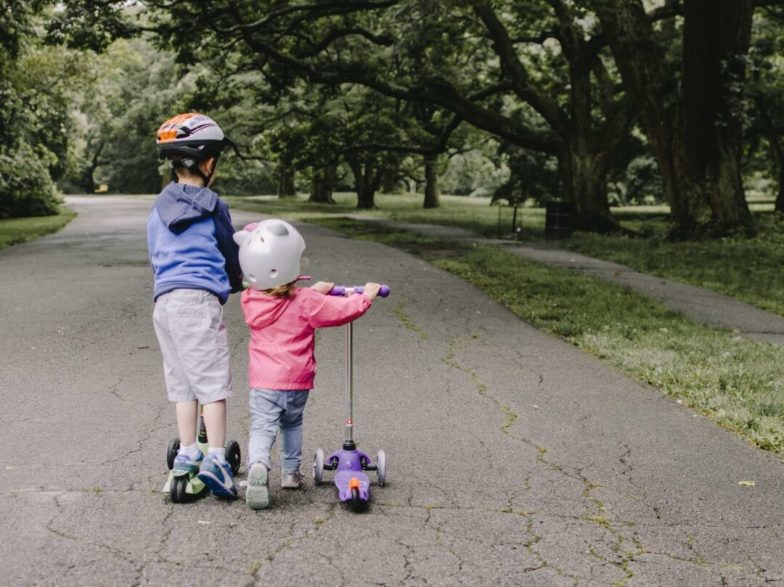
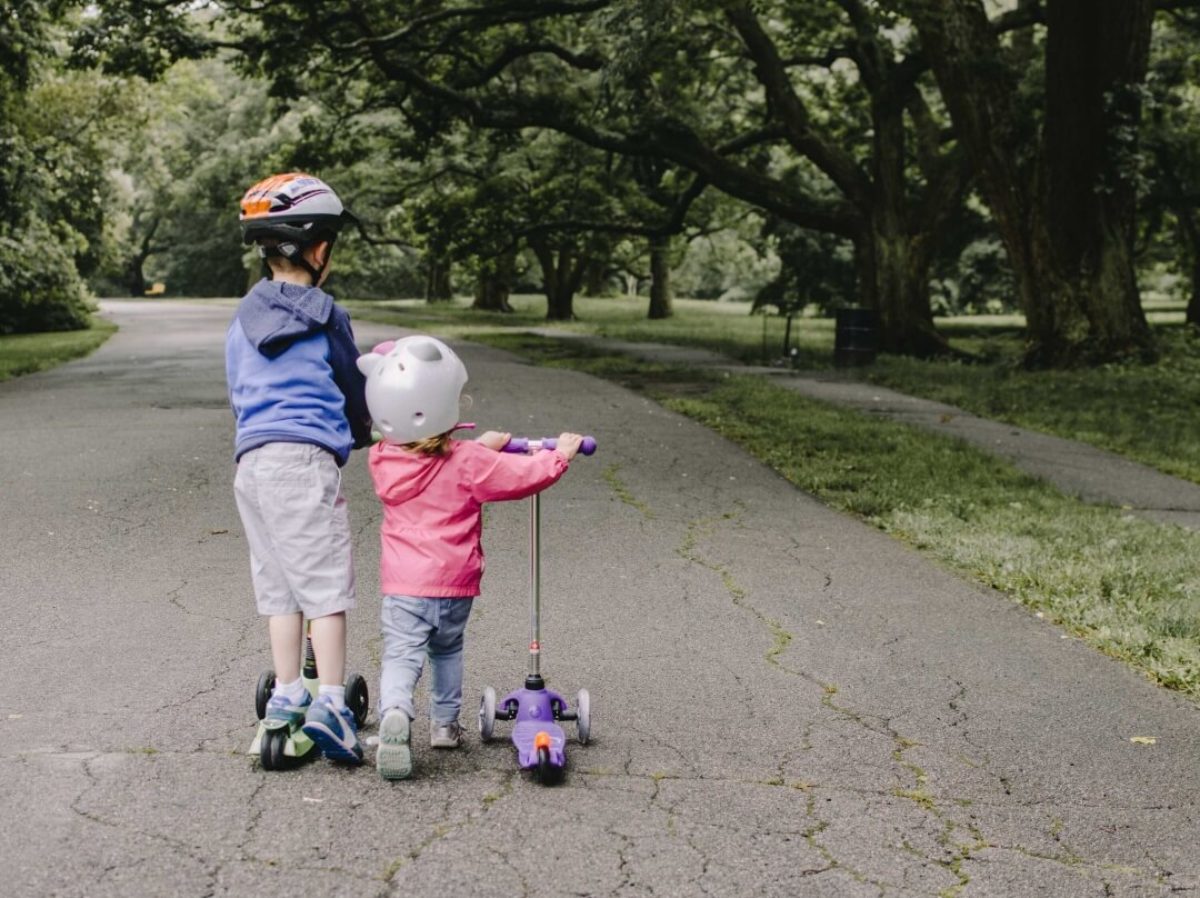
Encourage active modes of transportation by leaving the car behind. Walking or cycling together introduces children to enjoyable alternatives. Ditching strollers for scooters, for instance, transforms routine trips into opportunities for fun and exercise.
3. Integrate Activity into Family Routine:
Make physical activity a consistent part of the family routine. Daily walks, scooting to preschool, or engaging in YouTube yoga before rest time can become cherished family rituals, ensuring that children view activity as a natural and enjoyable part of life.
4. Make Exercise Fun:
The key to sustaining a child’s interest in physical activity is making it enjoyable. Incorporate games, playful strolls, or interactive exercises to ensure that children find joy in being active. Fun and engaging activities are more likely to become lasting habits.
Fostering a culture of physical activity for children involves understanding its importance, incorporating it into daily routines, and making it enjoyable. By following these tips and insights from our Active Program Manager, parents can not only meet but exceed the National Physical Activity Guidelines, laying the foundation for a lifetime of healthy habits.
For further guidance on children’s physical activity, explore our Active Program Manager’s comprehensive guide on “How Much Physical Activity Does My Child Really Need?” How Much Physical Activity Does My Child Really Need?
Only About Children can help your child to grow, make friends and explore the world.
Only About Children can help your child to grow, make friends and explore the world.
Related Reads


Science Week Sparks Discovery at OAC Mernda
Children at OAC Mernda celebrated Science Week with erupting volcanoes, lava lamps, seed planting and space exploration, sparking curiosity and discovery.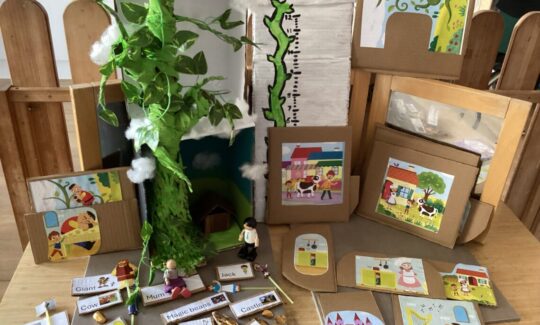
Bringing Stories to Life During Book Week at OAC Mernda
Children at OAC Mernda celebrated Book Week by bringing Jack and the Beanstalk to life through imaginative play, storytelling and role-play exploration.